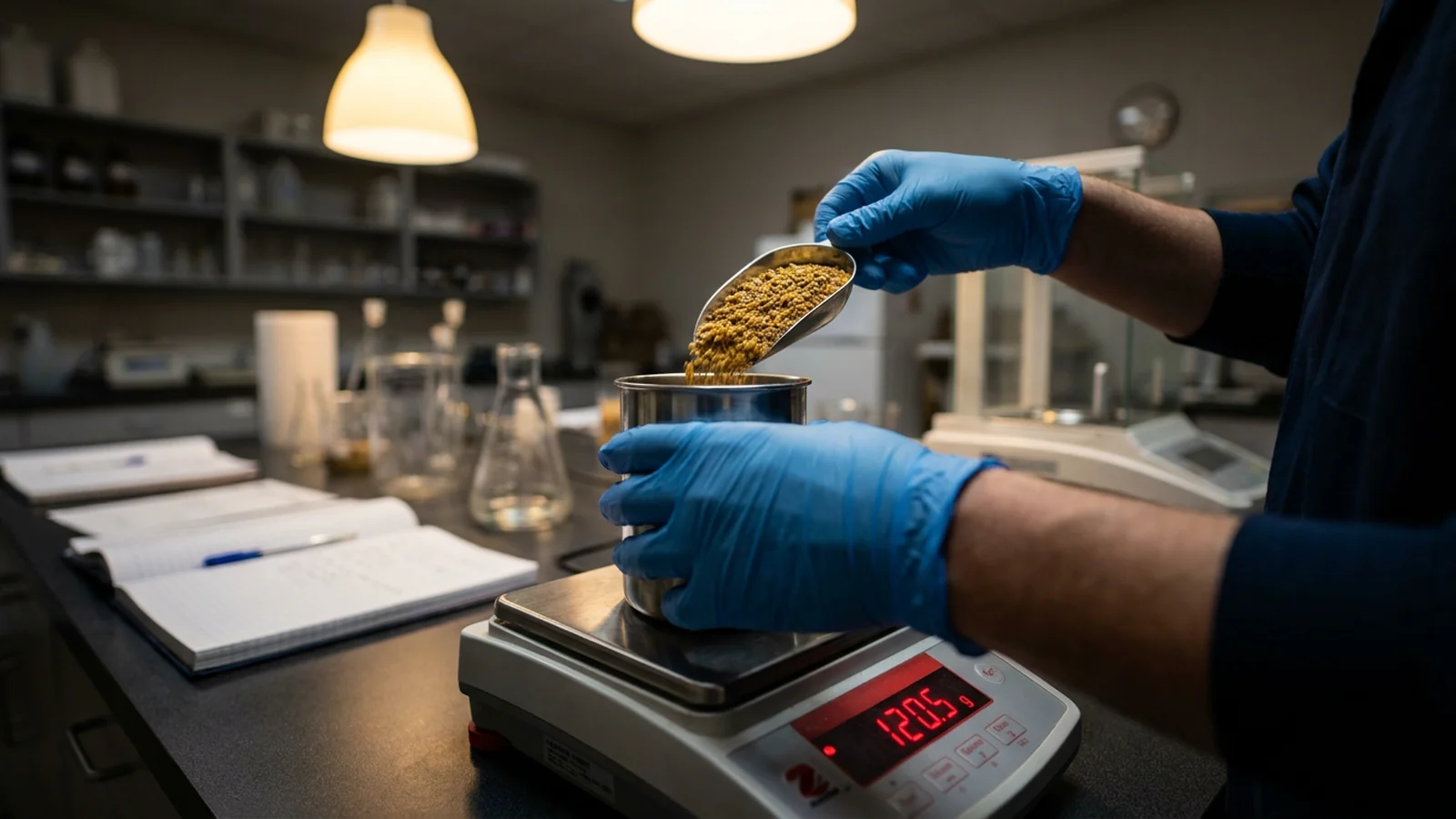
Betaine during heat stress and coccidiosis: the osmolyte argument
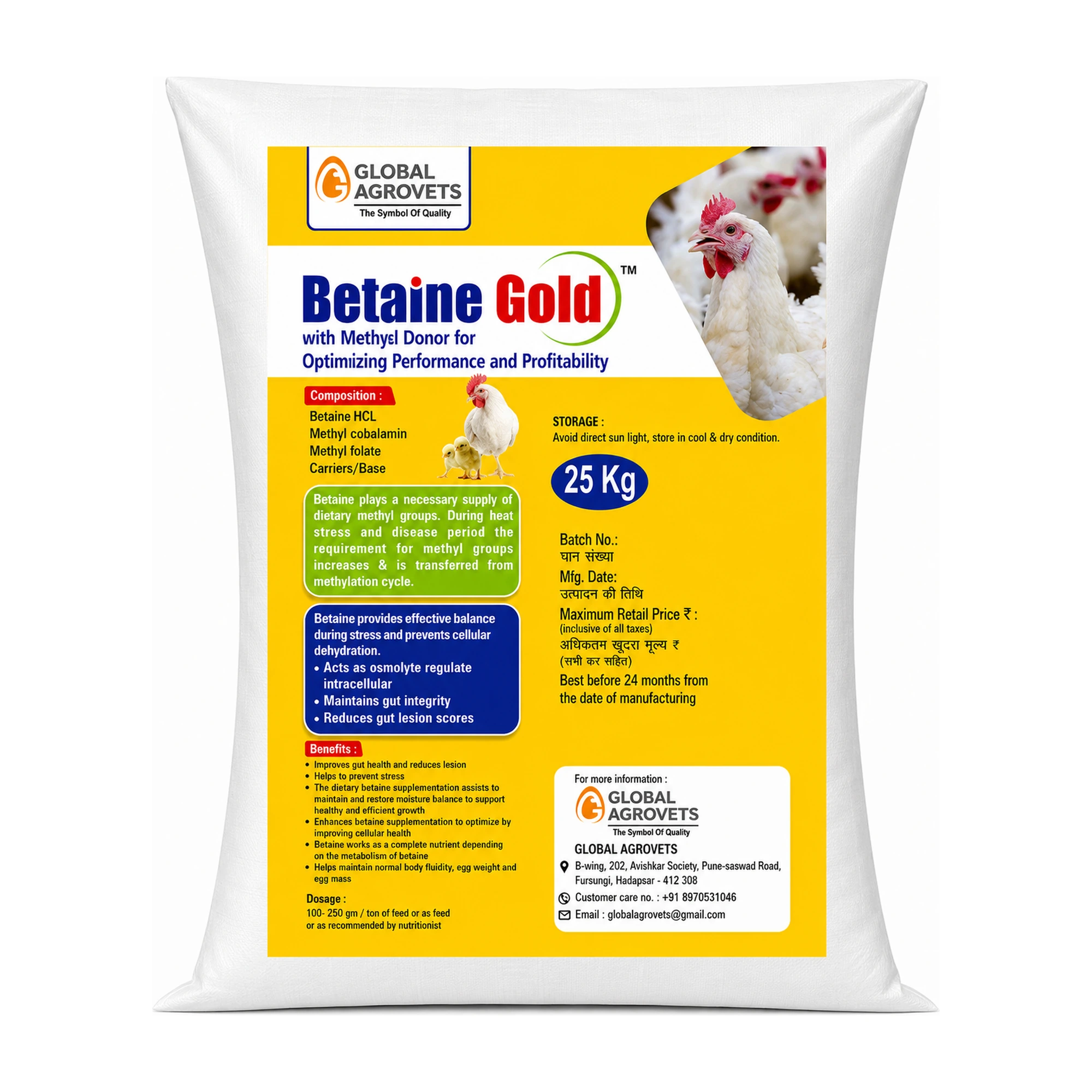
Betaine is used as both a methyl donor and an organic osmolyte. The second role is the one that matters when the shed is at 38°C or the gut is under coccidial challenge.
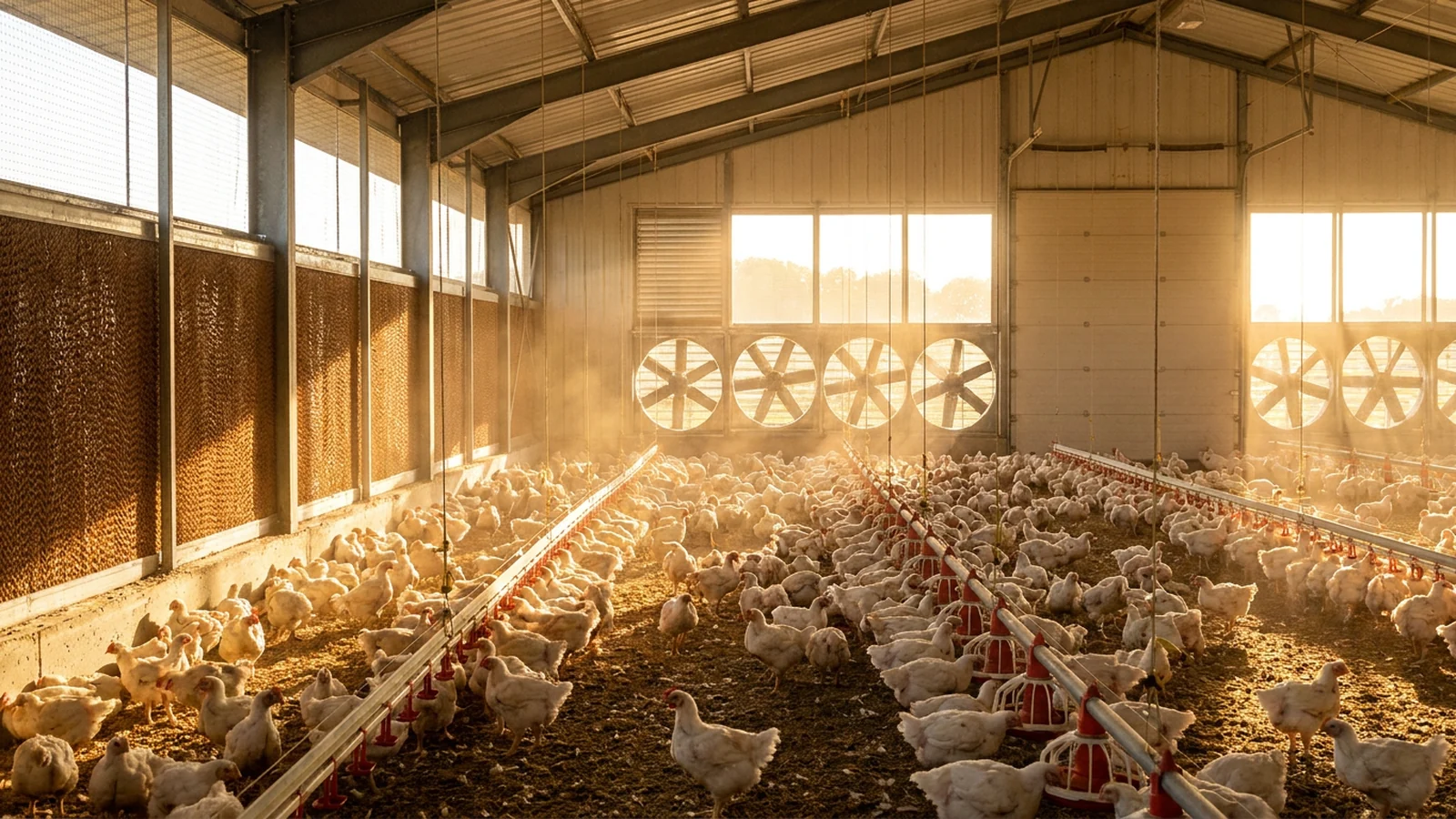
Betaine occupies two distinct roles in poultry nutrition, and conflating them makes it harder to decide when supplementation is justified.
Role one: methyl donation
Birds require a constant dietary supply of methyl groups. Betaine donates a methyl group to homocysteine in the methylation cycle, which spares methionine and choline for their other functions. Demand for methyl groups rises during heat stress and during disease, which is precisely when dietary supply is often falling because feed intake has dropped.
Role two: osmotic stability
As an organic osmolyte, betaine accumulates inside cells and stabilises cell volume without disrupting protein function the way inorganic ions do. Two situations make this directly clinically relevant.
- Heat stress. Panting drives respiratory alkalosis and water loss. Intracellular osmotic support helps maintain cell volume when the bird is losing water faster than it is drinking.
- Coccidiosis. Eimeria damage to the intestinal epithelium creates an osmotically hostile environment for the surviving enterocytes. Osmotic stability supports those cells through the challenge, which is the basis for the improved coccidiosis resistance reported with betaine supplementation.
Carnitine and fatty liver
Betaine supports carnitine synthesis, and carnitine is required to transport long-chain fatty acids into the mitochondrion for oxidation. Raising carnitine availability is the mechanism by which betaine is used against fatty liver syndrome in layers, rather than any direct hepatoprotective action.
When to reach for it
The case is strongest where two of the following coincide: sustained high ambient temperature, an active or recent coccidial challenge, a diet already tight on methionine, or a layer flock showing the liver picture. Where none of these apply, the methyl-donor role alone is a nutritional decision rather than a clinical one.