Egg production dropped this summer — what to check first
A drop in laying during hot weather usually has three or four causes, and most of them are fixable without medicine. Work through them in order.
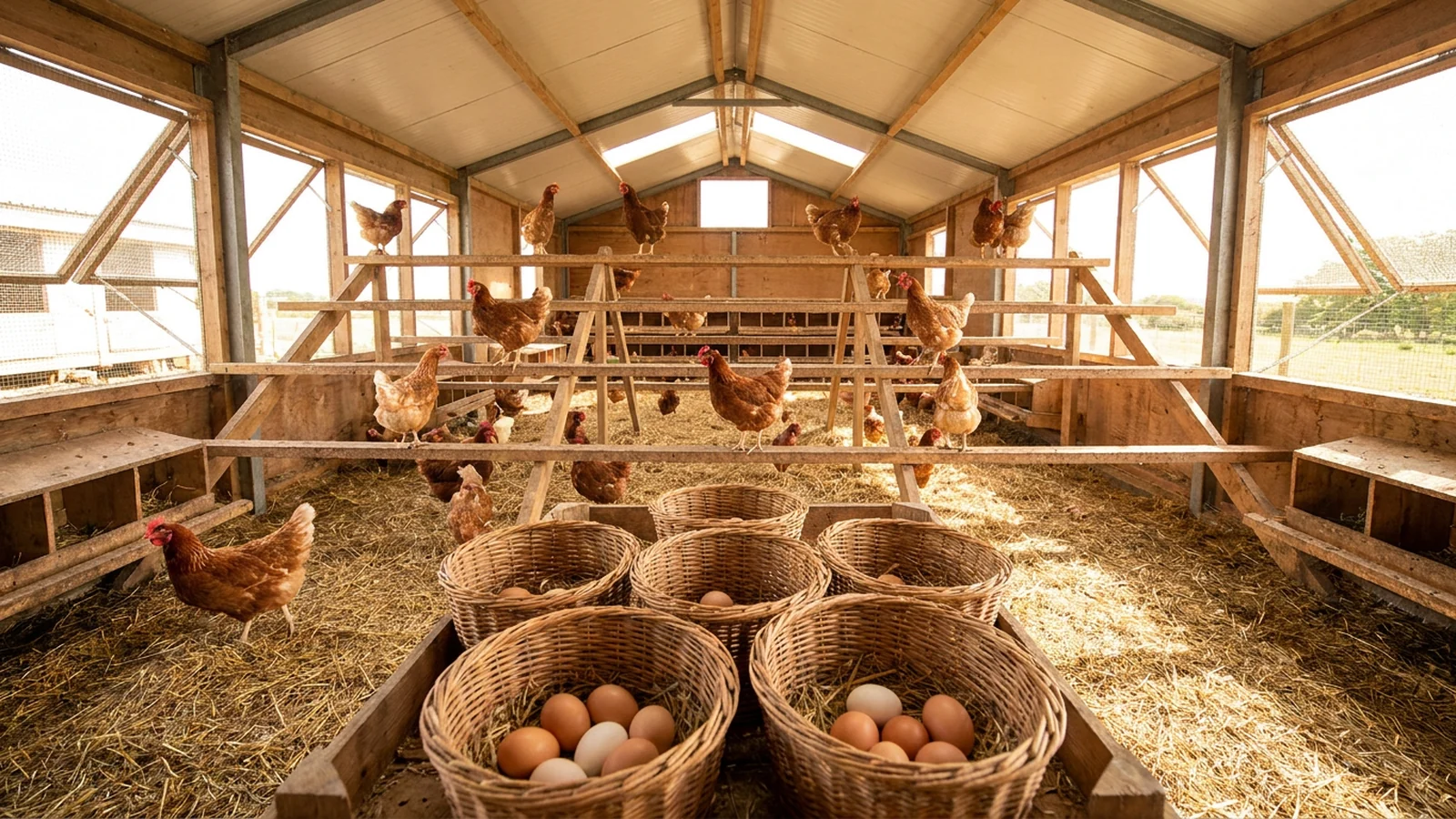
When the weather turns hot, most layer flocks eat less. Less feed means less calcium, less protein and less energy — and the first thing that suffers is egg production. Before you change anything else, work through this list in order.
1. Check how much water the birds are drinking
In hot weather a bird drinks two to four times as much water as usual. If a drinker line is blocked, or the water sitting in the pipe is hot by midday, the birds will drink less than they need. Walk the line at the hottest part of the day, not in the morning.
2. Change the feeding time, not just the feed
Birds eat less when they are hot. Feeding early in the morning and again in the late evening — when the shed is coolest — gets more feed into them without changing the ration at all. This one change often recovers a large part of the loss.
3. Look at the shells before you look at the numbers
Thin shells, soft shells and more breakages usually appear before the count drops. If you are seeing them, the problem is calcium reaching the bird, which in hot weather is nearly always a feed-intake problem rather than a feed-formula problem.
4. Reduce the other stresses while the heat lasts
- Do not vaccinate, debeak, shift or transport birds during a heat wave if it can wait.
- Do not change feed type or form in the middle of hot weather — the birds are already eating less.
- Keep the shed stocking density as planned. Crowding raises the temperature the birds actually experience.
- Run the fans and foggers through the hottest hours even if the shed feels acceptable when you walk in.
5. Then consider a supplement
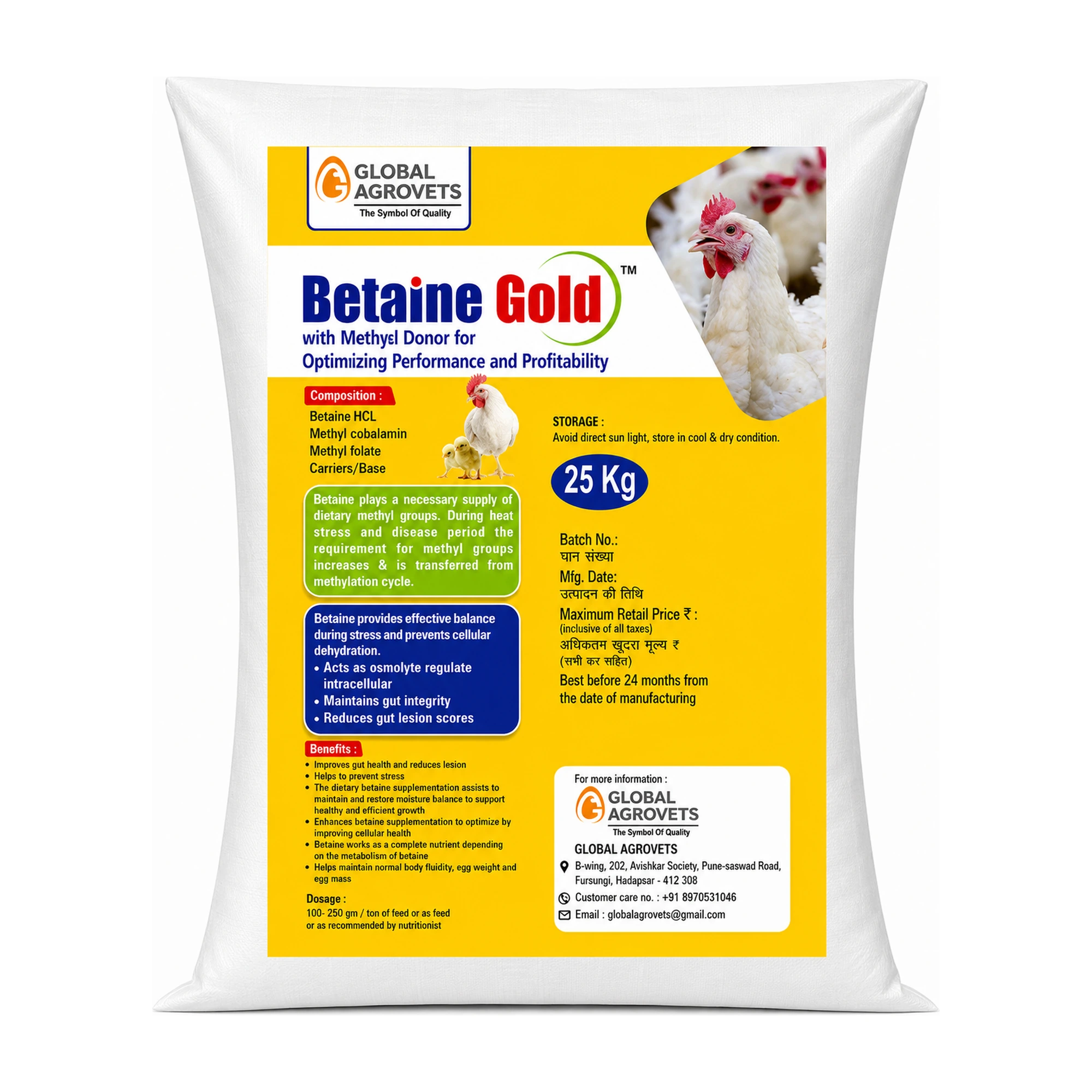
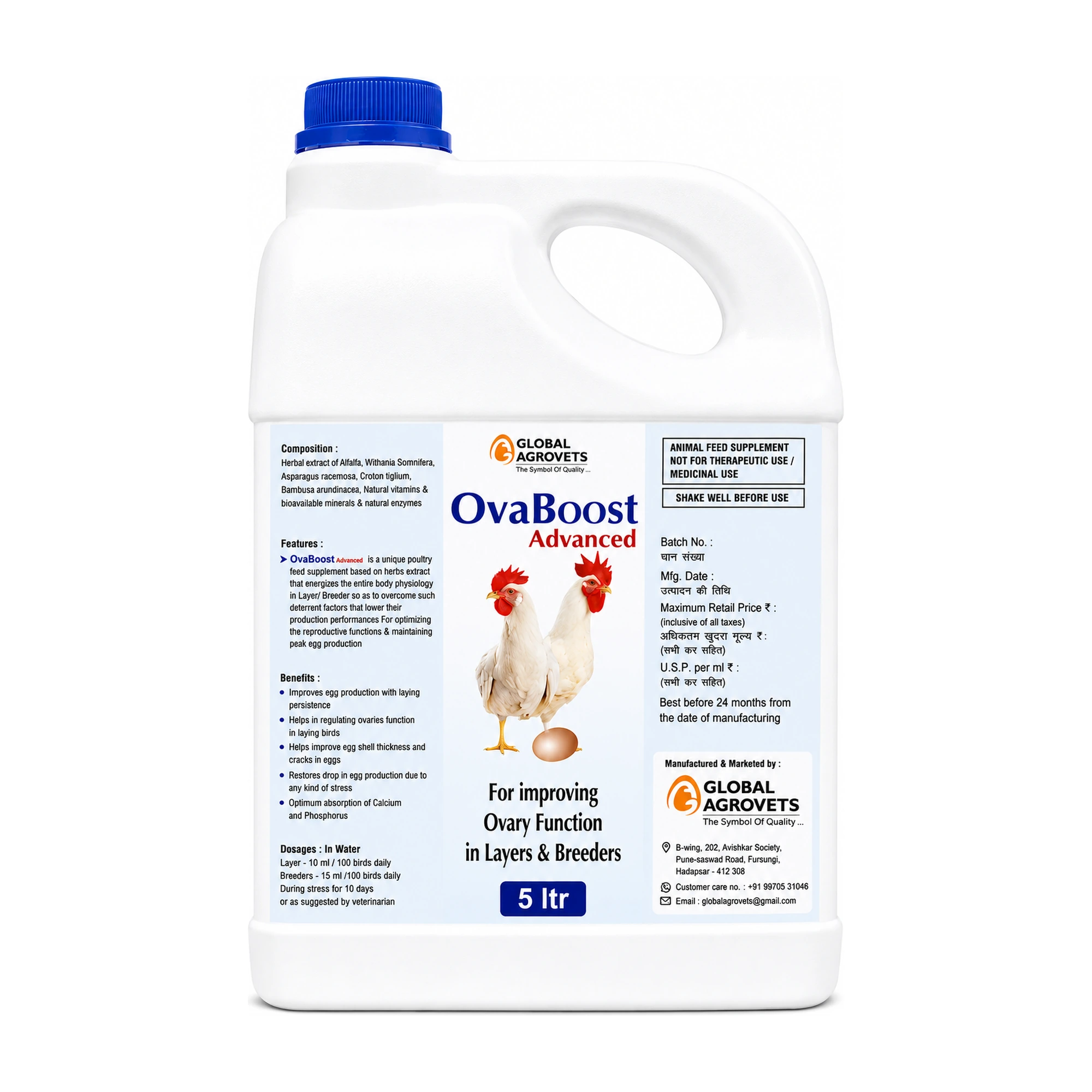
Supplements that help the bird hold water inside its cells, or that support ovary function, are useful — but they work best on top of the four points above, not instead of them. If production has not started to recover within a week of fixing water, feeding time and stress, speak to your veterinarian: at that point it is worth ruling out disease rather than continuing to treat it as heat.