Wet droppings in broilers: what to check before you medicate
Wet litter is a symptom, not a diagnosis. Four common causes, in the order they are worth ruling out.
Wet droppings and caked litter are among the most common complaints in broiler production, and among the most commonly medicated without a diagnosis. Reaching for an antibiotic first is expensive and often does not fix the cause. Work through these four in order.
1. Water
Leaking nipples, drinker lines set too high or too low, and pressure set higher than the birds need all put water into the litter directly. Walk the line and look underneath it — if the wet band follows the drinker line, you have found the problem and it is not a gut problem.
2. Ventilation
Litter dries because air moves through it. In cold weather, when ventilation is reduced to hold temperature, moisture stays in the house and the litter cakes. A shed that smells strongly of ammonia when you walk in first thing in the morning is under-ventilated.
3. Feed
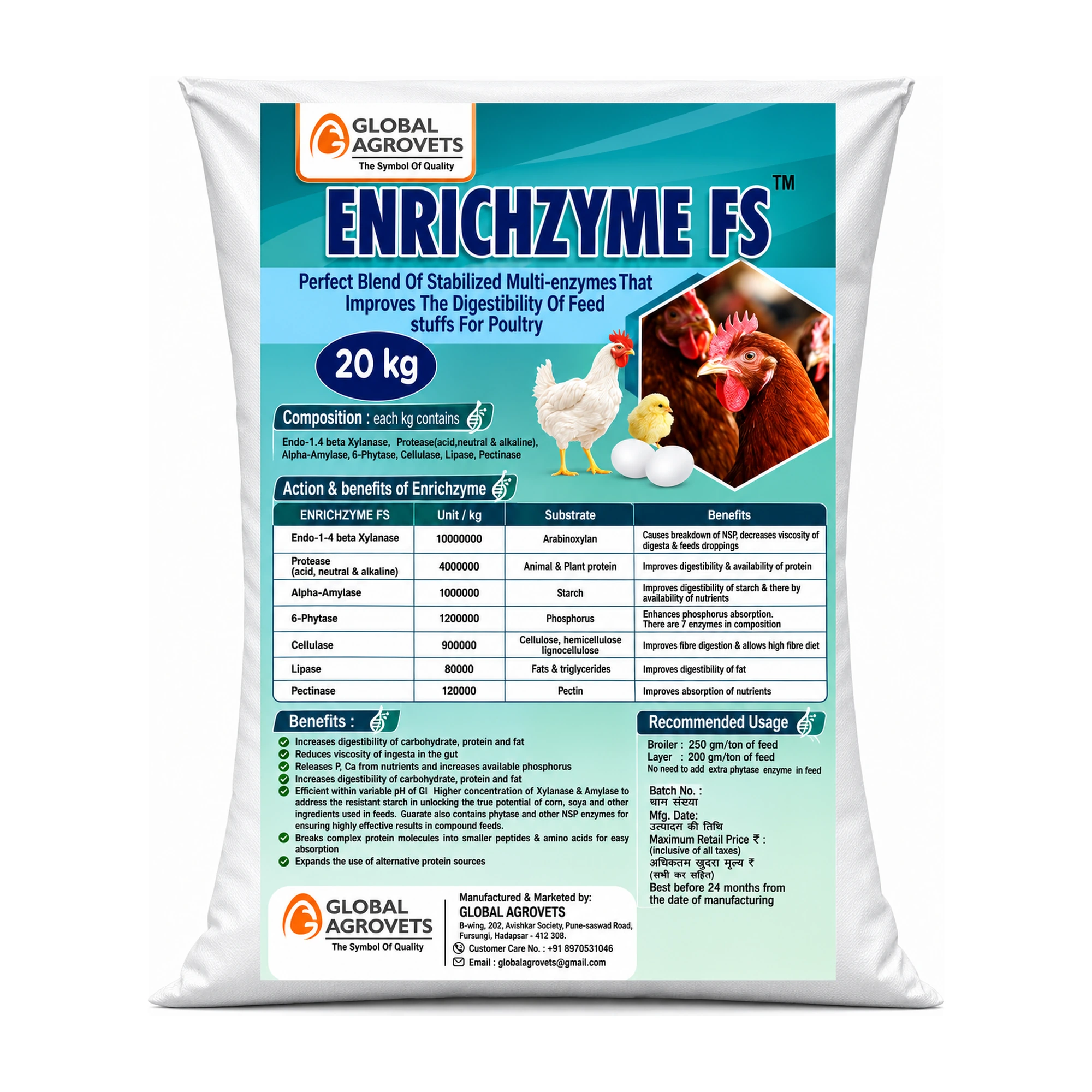
A ration change, a new ingredient batch, or a high level of ingredients that raise gut viscosity will loosen droppings within a day or two. If the timing lines up with a feed change, that is the most likely cause. Enzyme supplementation is the standard answer where viscosity is the issue.
4. Gut health and toxins
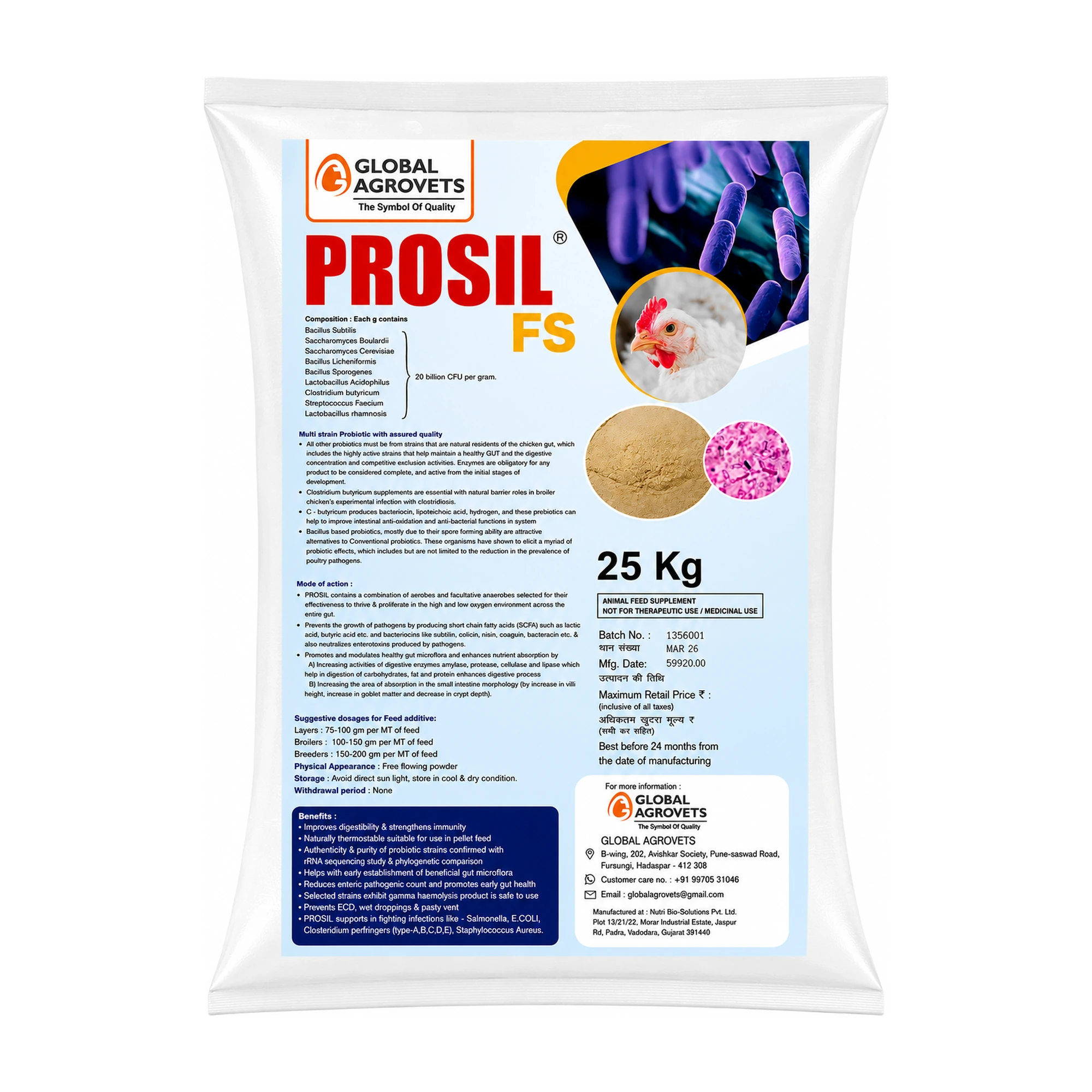
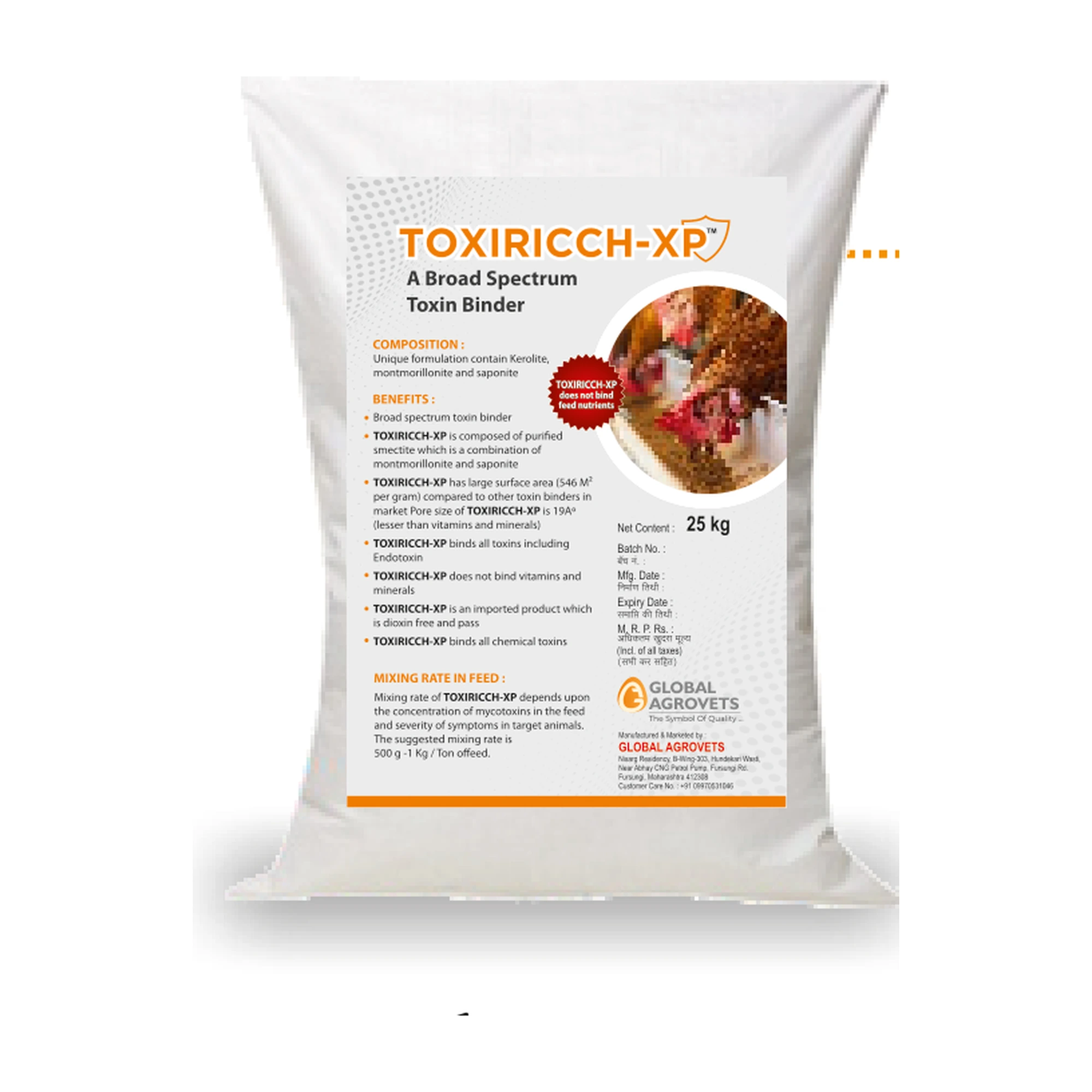
Only after the first three have been ruled out is it worth treating this as a gut problem. Two things are worth investigating: an imbalance in gut microflora, which probiotic supplementation addresses by establishing beneficial organisms early; and mycotoxin load in the feed, which damages gut lining and immunity and often shows up as unexplained loss of performance rather than as a clean clinical sign.
When to call the veterinarian
Call immediately if you see blood in the droppings, a sudden rise in mortality, or birds sitting hunched and not eating. Those are not litter management problems and they do not wait.